
MOON BAG RUFFLE


Our 2026 Grantees
 Chaint Afrique Academy (NetCycle)
Ghana
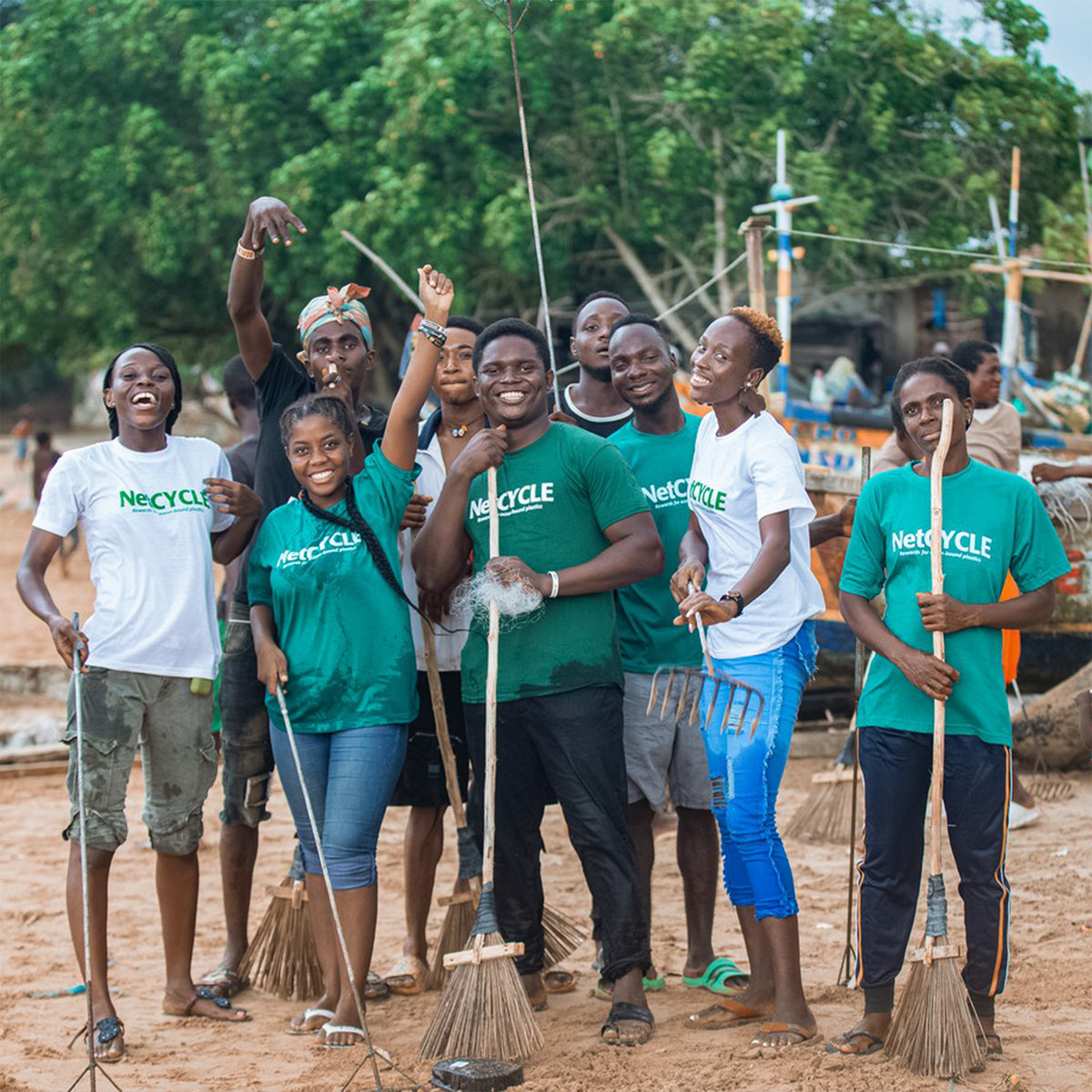
Through its NetCycle programme, Chaint Afrique deals with abandoned and discarded fishing gear and marine plastic. Communities recover, collect, trace and recycle the material and earn an income from it. So far, NetCycle reports that more than 140 tonnes of marine pollution have been kept out of the environment. The grant supports the programme’s next step, which helps women and young people build their own small businesses around recovered materials.
 Coast 2 Coast Movement
Peru
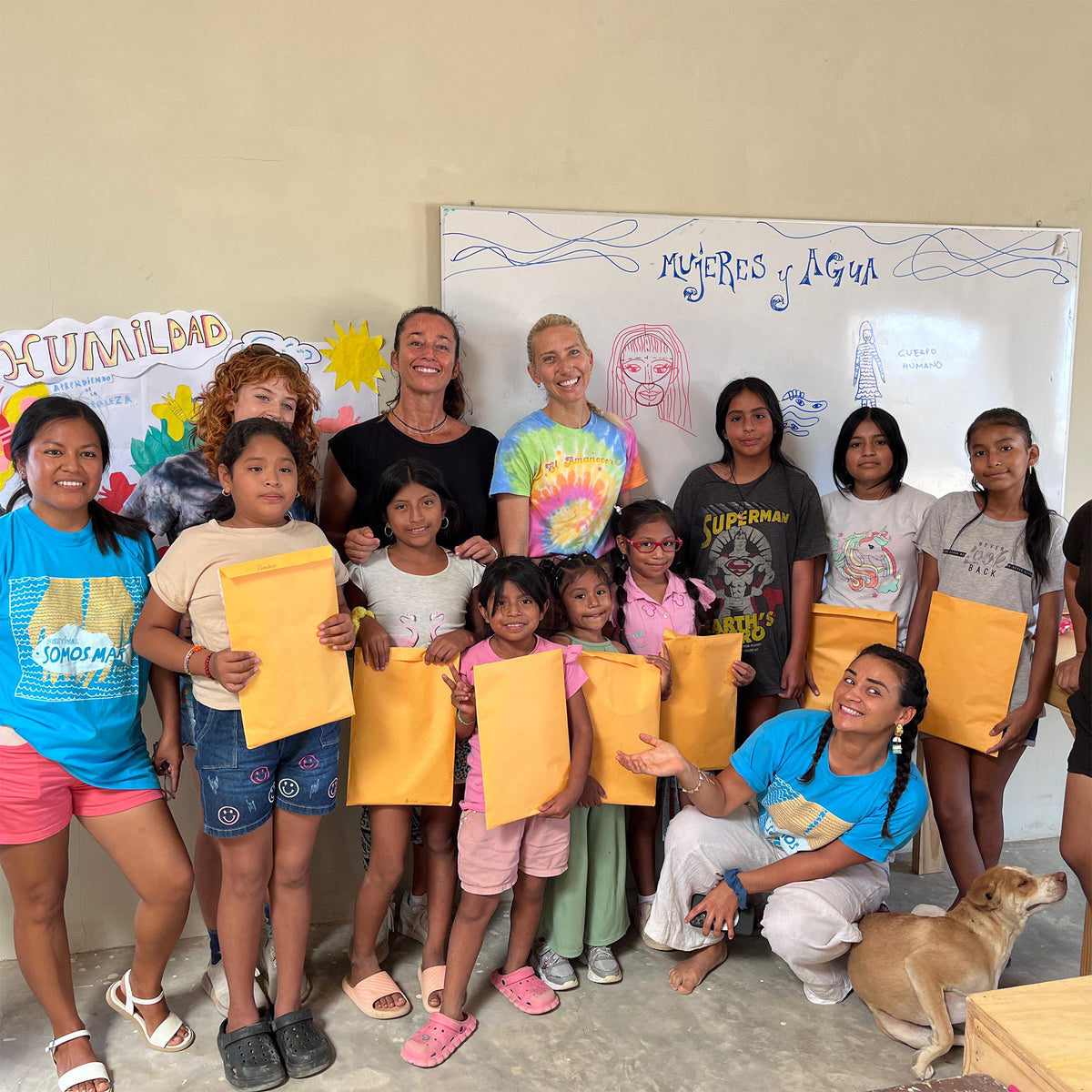
Coast 2 Coast has been based in Lobitos, a small fishing village in northern Peru, since 2014. Their team of educators, scientists, artists and ocean athletes runs workshops, festivals and school programmes that build children’s connection to the ocean and their home. The grant funds the educational and community activities of Women & Water, a programme that brings together girls’ leadership, ocean learning and climate care.
 Community Based Environmental Conservation (COBEC)
Kenya

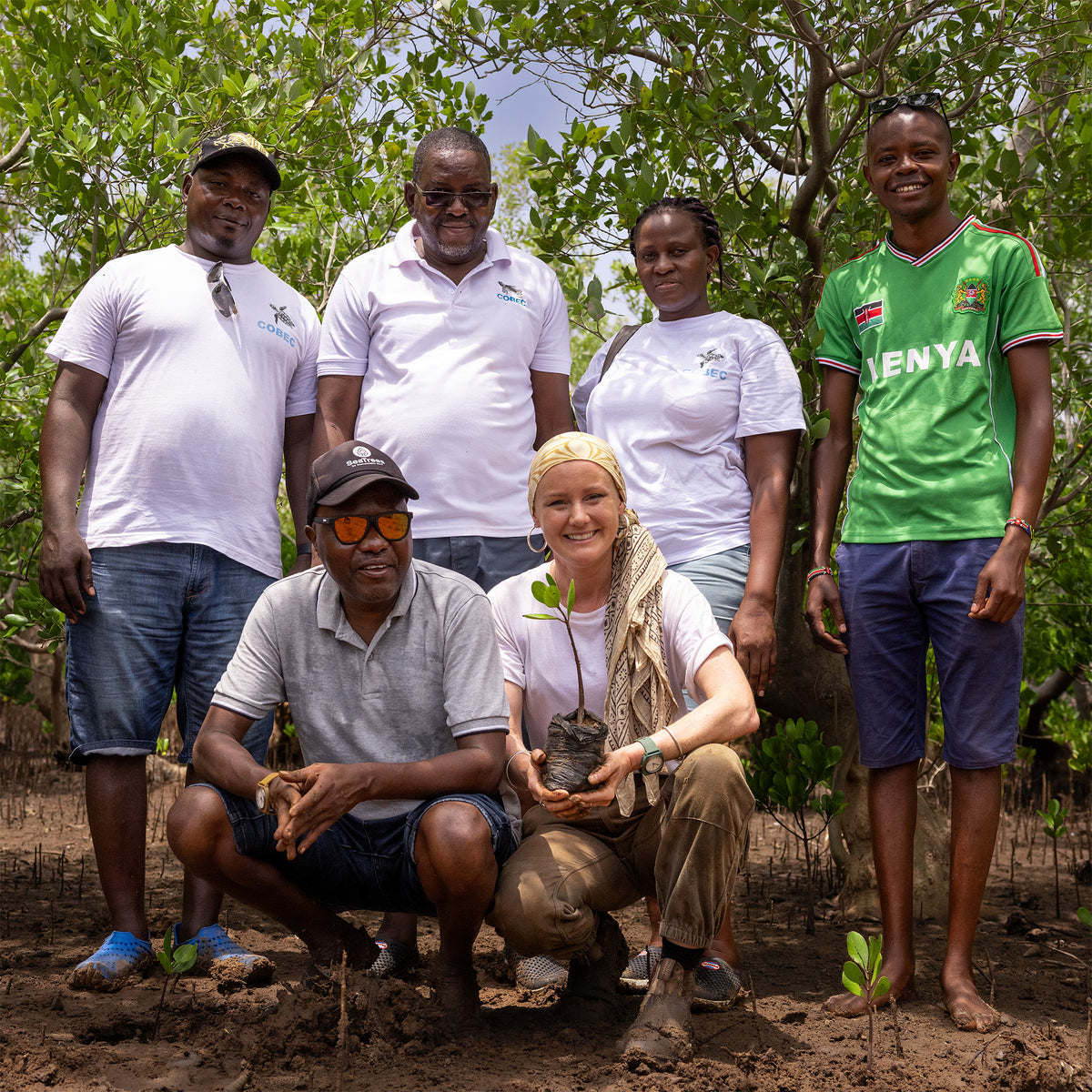
In Mida Creek on Kenya’s coast, COBEC is working with local women, youth and conservation groups to restore degraded mangroves. Together they’ll set up community nurseries and grow, plant and look after 20,000 seedlings across 5 hectares. Participants also get training in ecosystem stewardship and climate adaptation, so the communities can keep caring for the mangroves long after the project ends.
 Institute of Marine and Coastal Research (IIMyC), National University of Mar del Plata – CONICET
Argentina

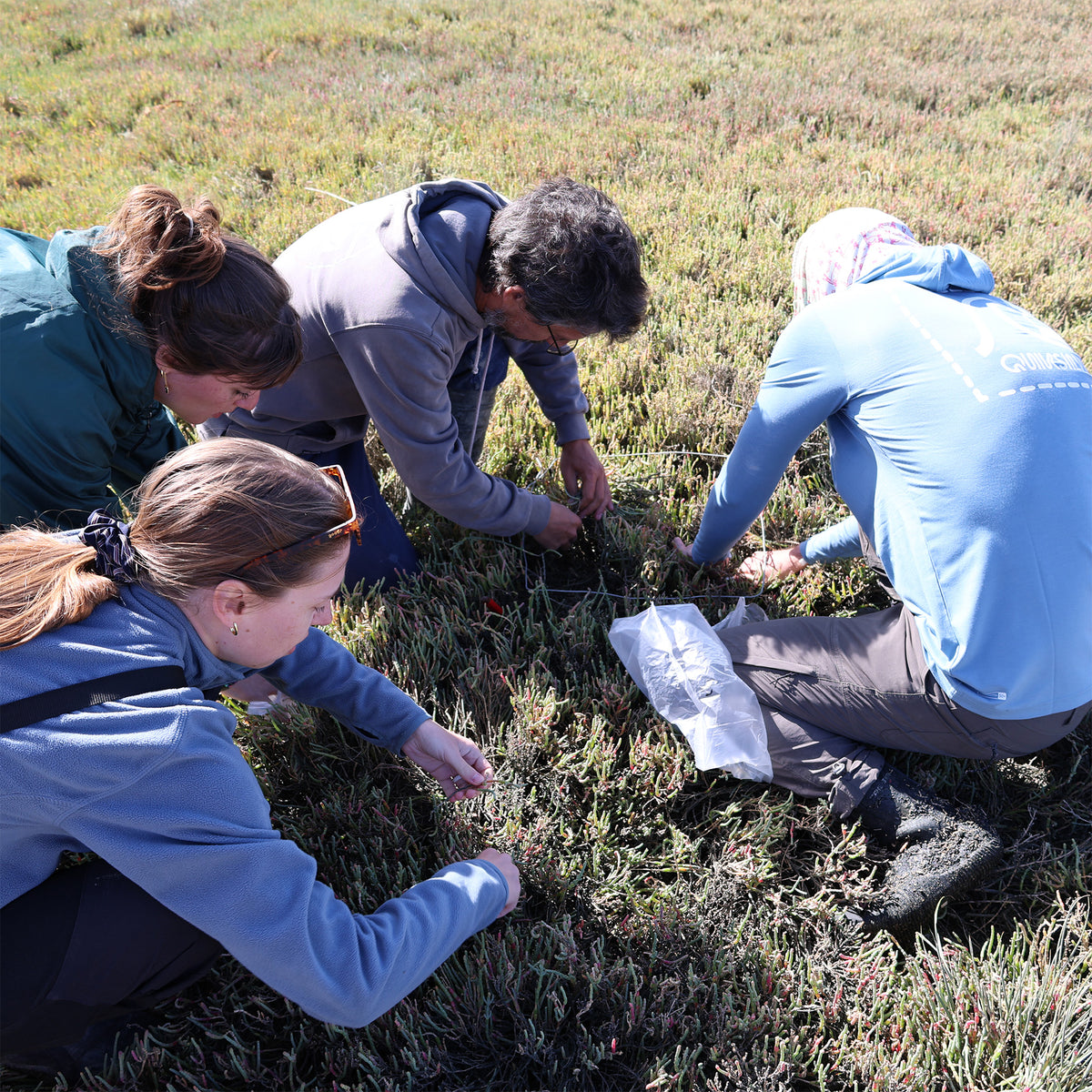
Salt marshes store large amounts of carbon, but pollution can affect how well they do it. The IIMyC team is studying 19 marshes along 3,000 km of Argentine coastline. They measure plastic waste with drones and field sampling and add new carbon data to a dataset they started in 2016. The result will be an open-access map that shows protected-area managers and policymakers which marshes are most at risk. Argentina’s science funding is currently collapsing, and this grant pays for the final field campaign.
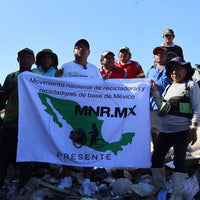 National Movement of Base Recyclers of Mexico (MNR)
Mexico

MNR organises and represents waste pickers across Mexico and fights for their work to be recognised as an essential environmental service. In Río Lagartos, a fishing town next to the Ría Lagartos Biosphere Reserve, eleven women have managed the town’s recyclables for years, with no vehicle and very little pay. The grant funds a cargo motocarro so they can run household collection routes for the first time. It also pays for training, so the group can track its own data and negotiate with local authorities as a collective.
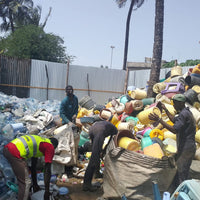 Plastic Taka Creatives
Kenya
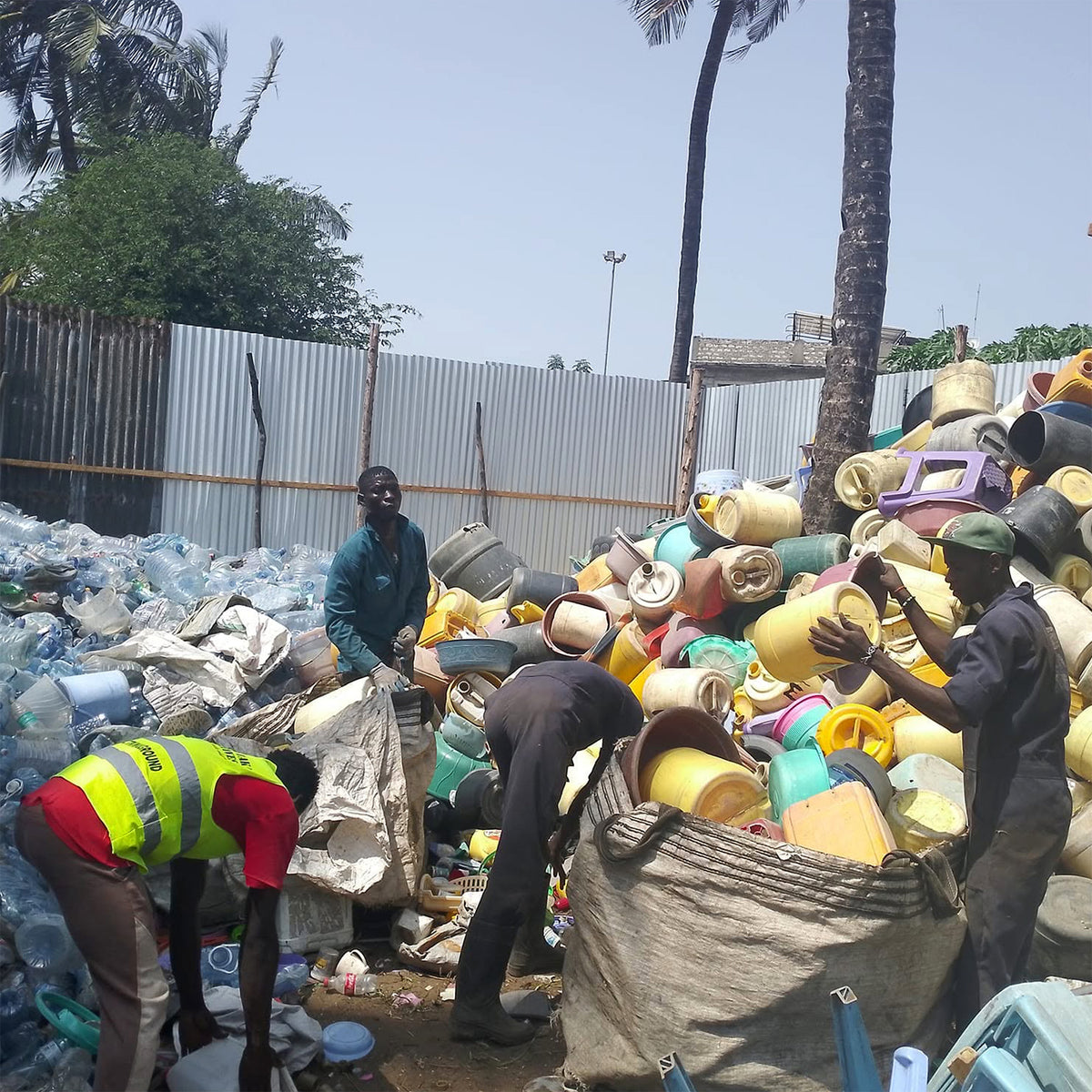
In the informal settlements of Mombasa, Plastic Taka runs mobile buy-back shops. Youth groups get paid to collect post-consumer plastic before it clogs drains or ends up in the Western Indian Ocean. The plastic is cleaned, sorted and turned into yarn. Fourteen local women weavers from the Eco Action CBO then use traditional handcraft techniques to make durable baskets from it.
 REEFolution Foundation
Kenya & Netherlands
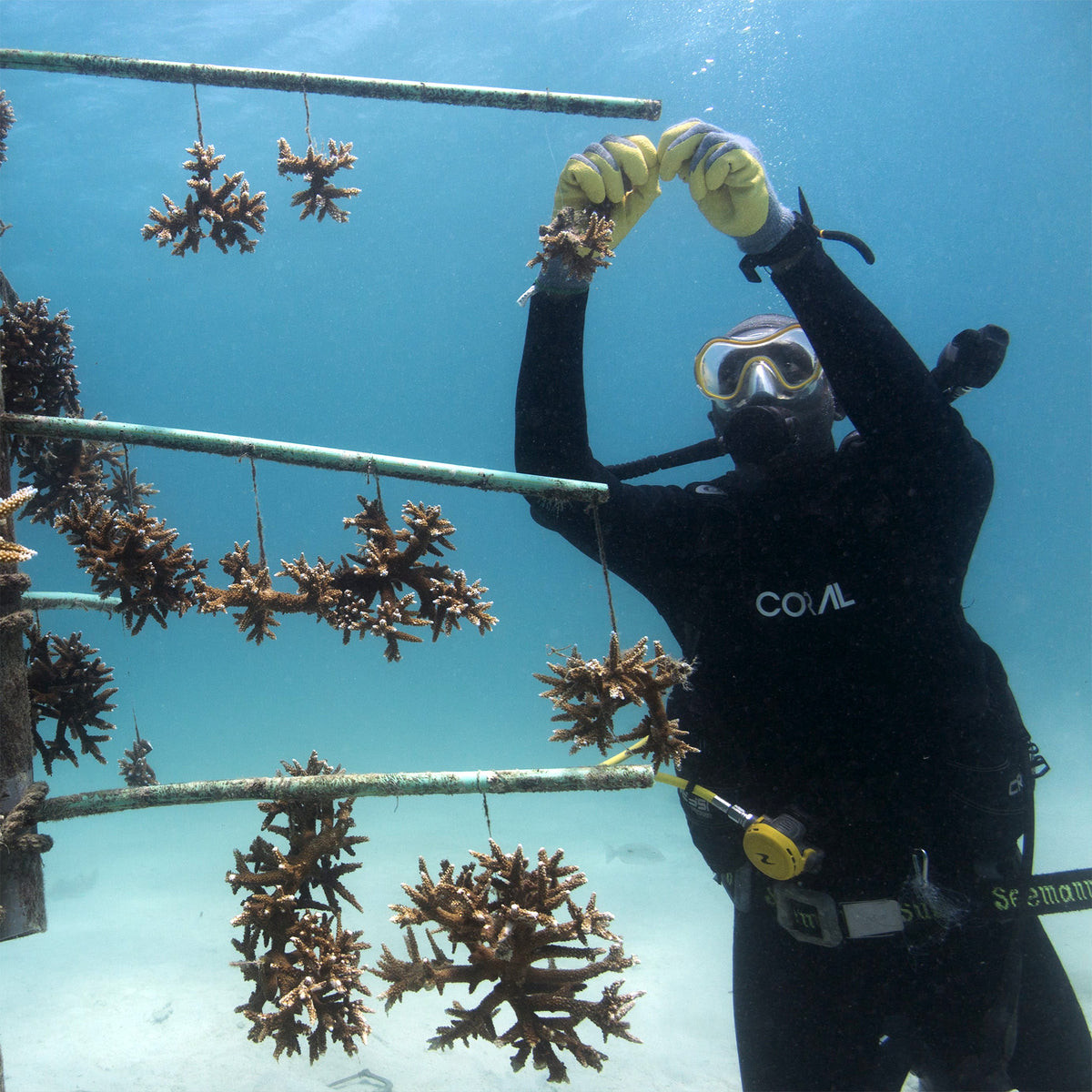
REEFolution restores coral reefs together with coastal communities in southern Kenya. They’ve planted more than 60,000 corals and trained over 30 community members as restoration divers. Their project ReefXycle builds artificial reefs from local waste materials like glass, coconut shell ash and seaweed, instead of imported concrete and steel. With the grant, a community in Shimoni will test the first prototype structures to see whether corals attach and fish return.
 Regenerative Ocean Project (ROP)
Mexico
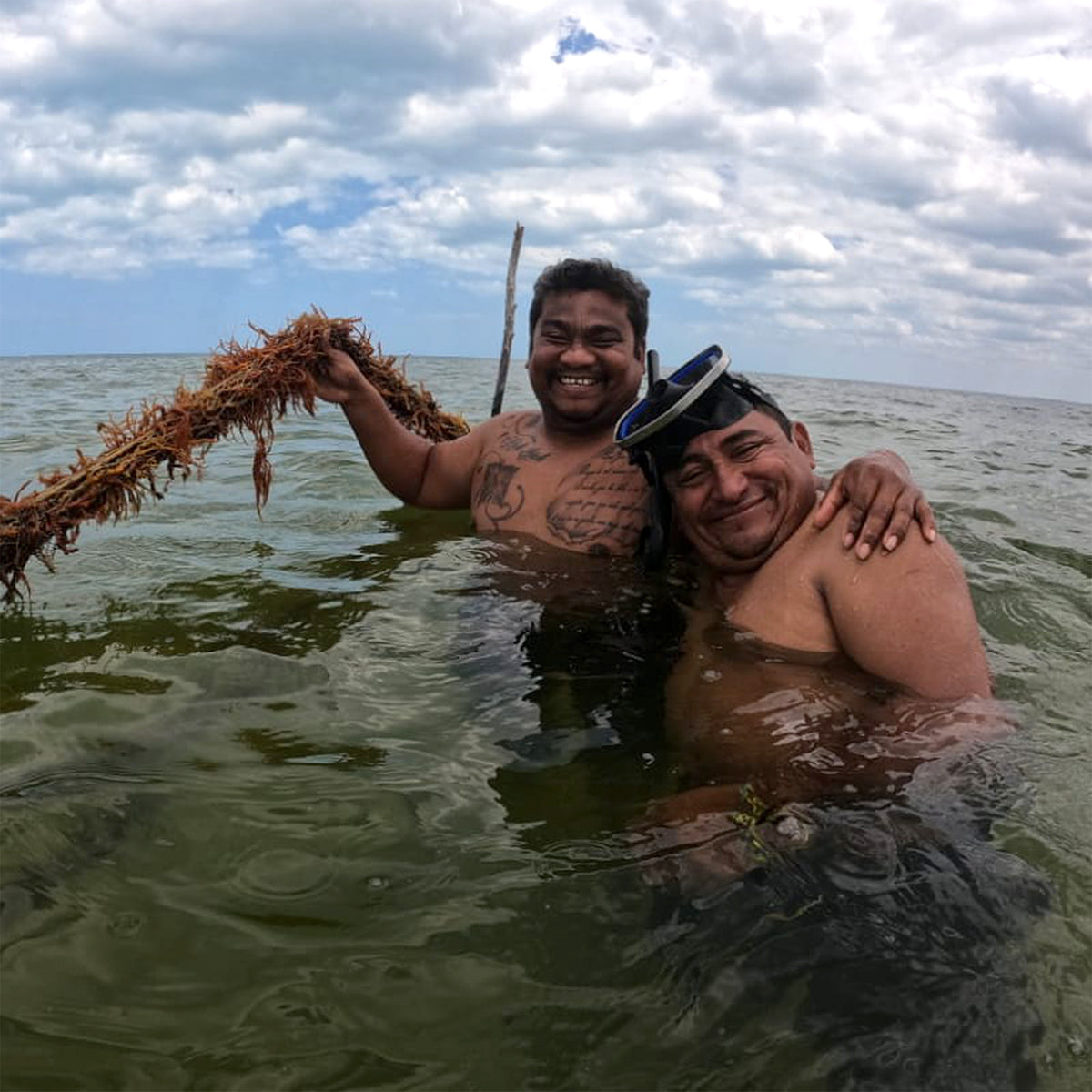
ROP works with coastal fishing communities in Yucatán to farm native seaweed. With the grant, they’re opening the first Community Field School for Family Seaweed Farming in Dzilam de Bravo. Twelve fishing families get starter materials, technical support and hands-on training so they can set up and run their own seaweed farms in the bay they’ve relied on for generations. The families own what they grow, set their own prices and keep their margins.
 South Asian Forum for Environment (SAFE)
India
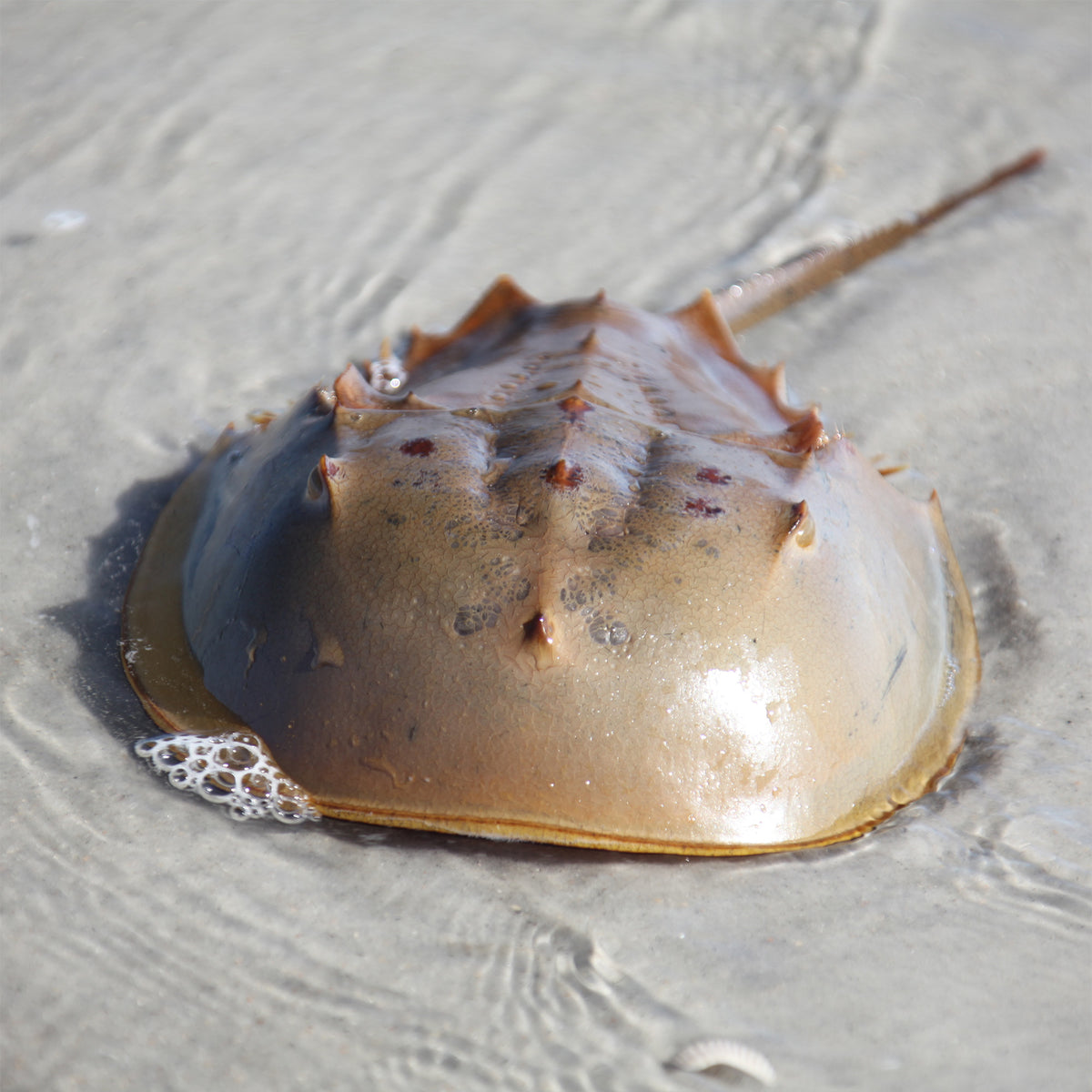
Two of the world’s four remaining horseshoe crab species live on India’s northeast coast. They’re legally protected but barely monitored. SAFE is starting community-run monitoring at three habitats between the Sundarbans and Odisha, led by trained village women steward groups. The project also includes beach clean-ups that send plastic into a formal recycling chain, net-release practices with local fishers, and advocacy with the forest department.
 Turtle Foundation
Indonesia & Germany


In the Derawan Archipelago in East Kalimantan, Turtle Foundation protects nesting beaches all year round for green turtles and critically endangered hawksbill turtles. Rangers patrol the beaches to stop egg poaching, and the team monitors nests, collects scientific data and removes marine debris. Together with local communities, they also run environmental education programs.
Funding Collective Progress.
A new global impact grant. Supporting those who care.
Between ocean health and climate action.
Real change requires resources. Yet there is an urgent need for greater access to low-barrier funding – especially for grassroots initiatives. We want to support the people and organizations doing vital work on the ground for our communities, our ocean, and our climate. Whether you’re a social enterprise, an activist, or a research project, let’s combine our strengths.

Wir möchten neue Partnerschaften in diesen drei Bereichen unterstützen:
- Community of Care & Klimaresilienz
- Plastik-Lebenszyklus
- Maritimes Ökosystem
Mehr dazu findest Du in unseren Teilnahmebedingungen.
- Lokale Förderungen rund um den Globus
- Verwendung der Mittel innerhalb von 12 Monaten
- Wirkung transparent messen und berichten
FAQ
We want to support a diverse range of partners, including
- NGOs and foundations
- Grassroots initiatives and activists
- (Academic) research projects
- Social enterprises, impact start-ups, sustainable enterprises with a proven impact project
Not eligible:
- Conventional businesses
- Individuals without a track record in activism
- Projects that are purely greenwashing
You can find more details in our eligibility criteria.
We want to support organisations and activists whose work aligns with our strategic pillars:
- Plastic Life Cycle
- Maritime Ecosystem
- Community of Care & Climate Resilience
We fund social initiatives with a specific project that fits the duration of max. 12 months.
We use a points-based system, where each application can receive up to 62 points. Assessments are carried out by an internal jury, striving to remain objective and unbiased, while staying aligned with our core values.
We want to support strategic partnerships within at least one of our systemic pillars:
- Community of Care & Climate Resilience
- Plastic Life Cycle
- Maritime Ecosystem
If your activities align with one of these pillars, we carefully evaluate applications based on the following criteria:
- Global or local relevance: How does the project tie into global and local needs?
- Impact: Can the impact of the project be tracked, quantified or qualitatively?
- Value match: Does the project align with our values and code of conduct?
- Scalability and longevity: Does the project create added value that extends beyond the duration of the project itself or outside the project scope?
- Budget assessment: Is the expected impact and outcome realistic to the given budget?
Geographic considerations: While impact is the primary criterion, preference is given to locally led initiatives, particularly in the Global South and high-leakage regions like Southeast Asia and coastal Africa.
Since 2018, we create minimalist bags that carry more than your stuff. Based in Mainz, Germany, we grew from a small start-up with a ton of heart into a team of over 70. We create bags with recycled materials and fund a clean-up and education program in Indonesia.
We don’t claim to have all the answers, but we believe in community. Individually, we are one drop. Together, we are an ocean.
The approved applicant will receive a grant of €10,000, to be disbursed in August 2026.
A kick-off call will be scheduled in July (exact date to be confirmed).
The project period can last up to 12 months, with impact reporting expected:
- Progress report: December 2026
- Final report: at the end of your project, or by July 2027 at the latest (end of Round I)
Language should never be a barrier to receiving the support you deserve.
If English isn’t your first language, don’t worry — please reach out to us, and we’ll work with you to make the application process easy to navigate.
If you are selected for one of the €10,000 grants, all communication and impact reporting will continue in English, our primary language.
We believe in Climate Justice:
Most of the world’s most vulnerable coastal communities are in the Global South, and they face the harshest impacts of ocean warming and plastic waste, even though they have contributed the least to the climate crisis. We support the people leading the fight for their own environments and livelihoods.
At the same time, we know that solving the crisis requires changes everywhere in the world, so we also fund advocacy, research and innovation globally.
Global Responsibility, Local Action.
Do you know an organisation that aligns with our vision? Share this grant with them.

Erhalte Updates zur Bewerbung und allgemeine Informationen zum Care Collective Fund.
ABOUT GOT BAG
Since 2018, we create minimalist bags with recycled materials that carry more than your stuff. We support a global culture of care—funding a clean-up and education program in Indonesia.
We recognize that every community has different and unique needs when it comes to the climate crisis, plastic pollution, and ocean health. To address this, we want to build a strong network of partners—from grassroots groups embedded in their local communities to global organizations driving systemic change.
The CARE Collective Fund expands our circle of care.
The CARE Collective Fund expands our circle of care.


