
MOON BAG RUFFLE


To identify our greatest levers for reducing CO₂ emissions, we have been systematically measuring our Corporate Carbon Footprint across our entire supply chain (Scope 1, 2, 3) since 2021.
As a company, we are committed to the 1.5-degree target of the Paris Climate Agreement. Our climate strategy follows a clear principle: reduce what is possible; compensate what is necessary.
The foundation
For us, responsibility begins with transparency. To ensure that our climate strategy is based on meaningful data, we have been producing an annual greenhouse gas inventory (GHG) in accordance with the GHG Protocol — the international standard for measuring greenhouse gas emissions — since 2021. Our entire emissions balance has been externally verified by sustainability software provider Substain.
Emissions are typically divided into three categories ("Scopes"):
Scope 01
Direct emissions from our own sources, such as our office or company-owned vehicles.
Scope 02
Indirect emissions from purchased energy, such as electricity for our headquarters.
Scope 03
Everything else. This includes emissions within our supply chain — from materials and manufacturing to transportation. As with many companies in the fashion sector, over 90% of our emissions occur in Scope 3: the supply chain.
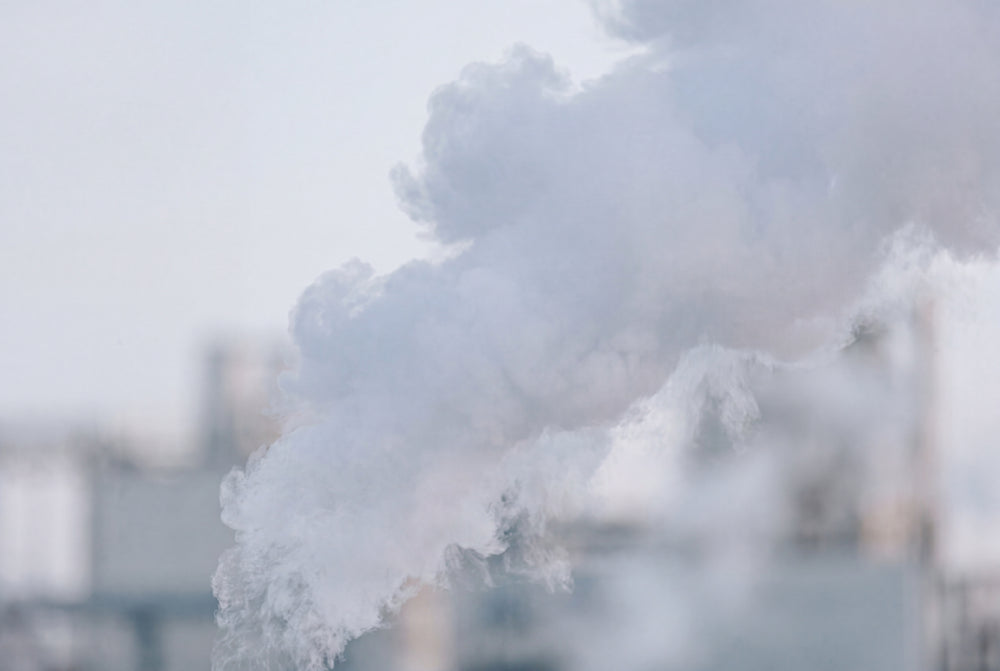
Total footprint: 3,063.08 tonnes CO₂e
- Scope 1: 1.17 %
- Scope 2: 0 %
- Scope 3: 98.83 %
The Scope 3 reality: 98.83% of our emissions occur in our value chain (Scope 3), including raw materials, manufacturing, and inbound logistics.
Our science-based target: decoupling growth from CO₂e

Measured in CO₂e per kilogram of product sold, compared to our 2024 baseline (gross 3,063 t CO₂e).
Our approach: Insetting
Purchasing external carbon credits to offset emissions would not help address the root cause. That is why we consistently pursue an insetting approach rather than simply choosing offsetting.
Instead of funding projects outside our sphere of influence, we reinvest our resources directly into our own supply chain. Through improved manufacturing processes, the sourcing of more environmentally friendly materials, and leaner logistics, we drive real, structural CO₂ reductions right where our products are made.
Our CO₂ integrity principle: Every tonne of CO₂e saved under our climate plan is a tonne that has actually been avoided at the source. Carbon offsets are completely excluded from being counted toward our target of a 50% reduction in CO₂ intensity.
We view carbon offsetting solely as a temporary instrument to address historical and residual emissions, while we work in parallel on implementing genuine reductions.
Our three strategic pillars
We work across three strategic areas of action:
Lieferanten-Engagement & Produktdesign
Reducing emissions in the supply chain (81% of the footprint)
Intelligente Logistik
Reducing transport emissions through process optimisation
Clean House
Addressing internal emission sources through company culture, infrastructure, and policies
How we plan to achieve this
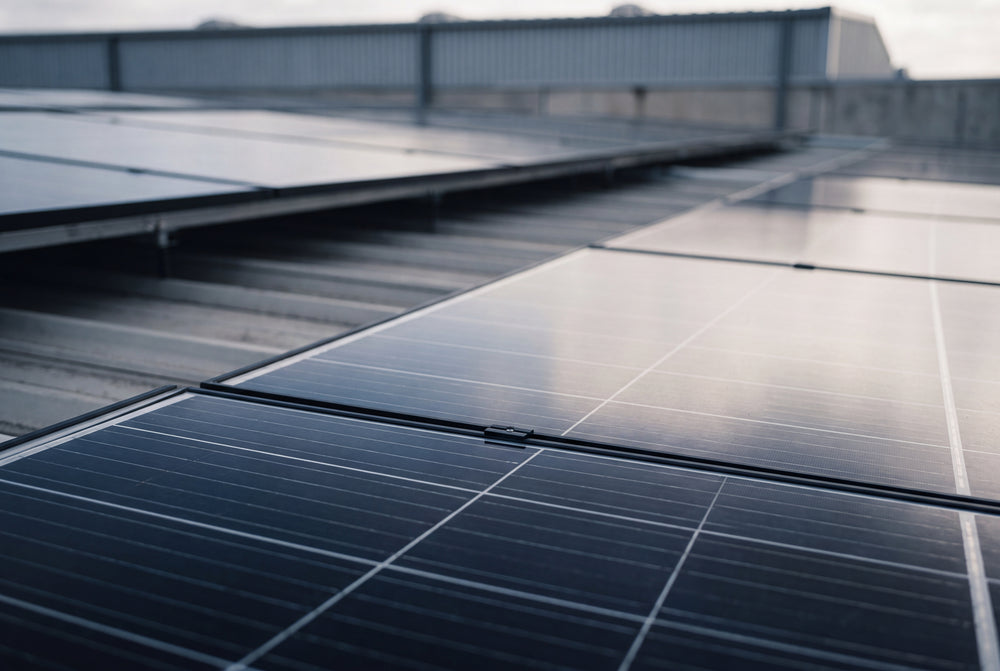
We tackle the problem at its root by reducing emissions in our supply chain. By 2030, we aim for at least 60% renewable energy across our entire supply chain. Among other measures, we plan to achieve this by supporting solar installations at our fabric manufacturers. We also plan to switch the colours of our core products to dope dyeing, which reduces CO₂e emissions per metre of fabric by around 20%.
We see this transition as a shared responsibility. Rather than imposing one-sided requirements, we rely on close, collaborative partnerships with our suppliers to shape the shift to low-emission production in a fair and equitable way.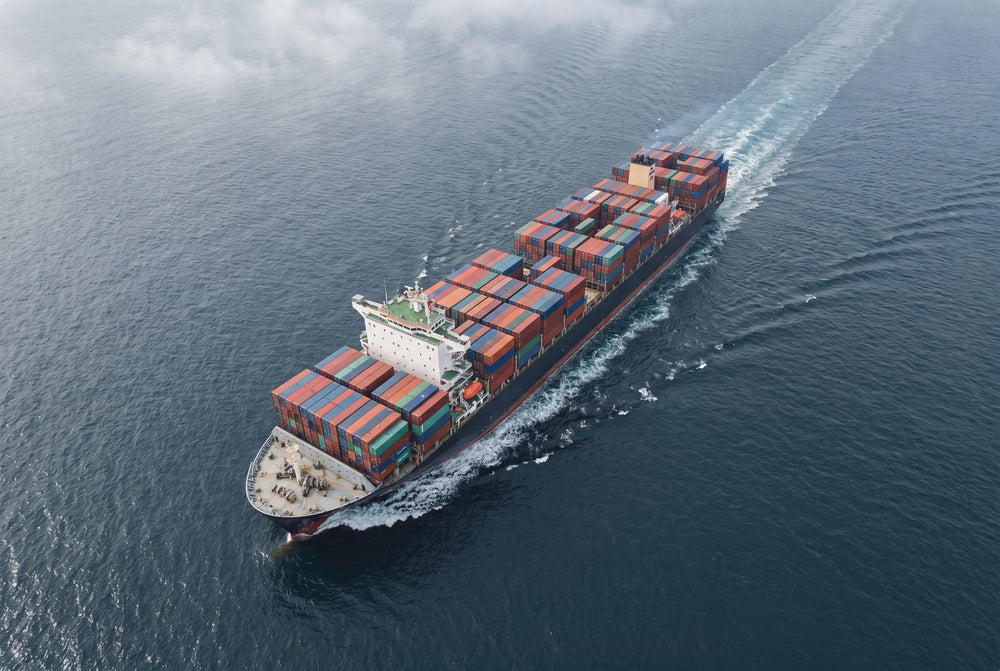
We reduce our transport emissions through process optimisation and strong partnerships. In 2025, we used the DHL GoGreen Plus service for a portion of our sea freight. Through their Book & Claim system, fossil marine diesel is replaced with sustainable fuel, which produces 85% fewer emissions. For our container shipments, this resulted in a total saving of 64.92 t CO₂e last year. In the coming years, we will continuously extend this approach to more and more sea freight shipments. We are also working on a strict no-fly policy for standard goods.
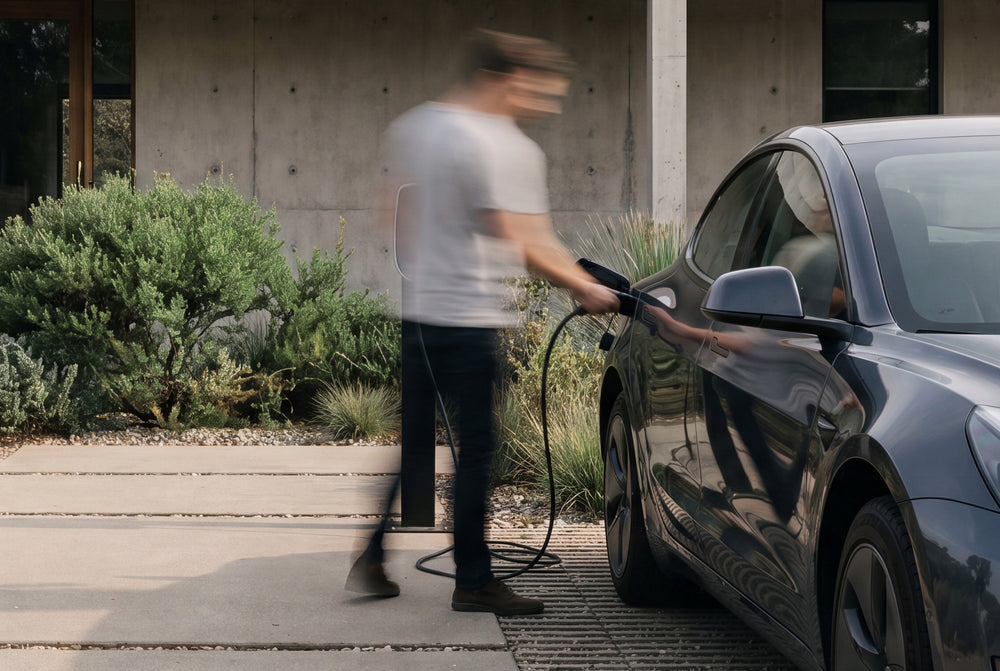
Our own operations account for only a small share of our footprint. Nevertheless, they are important for fostering a shared mindset and understanding. We plan to continuously electrify our vehicle fleet and transition to a digital-first travel policy.
Scope 2 is already at zero — we operate on 100% renewable energy.
Accountability & Transparency
We review this plan every year. It is the responsibility of our Sustainability & Impact team and is approved by our CEO and team leads. To make our progress tangible, we publish our climate balance transparently in our Impact Report each year.
Our B Corp certification provides an additional external point of reference. We track our progress consistently through annual greenhouse gas inventories, calculated by Substain in accordance with the GHG Protocol Corporate Standard.


